
Why national forest land matters to Arkansas hunters
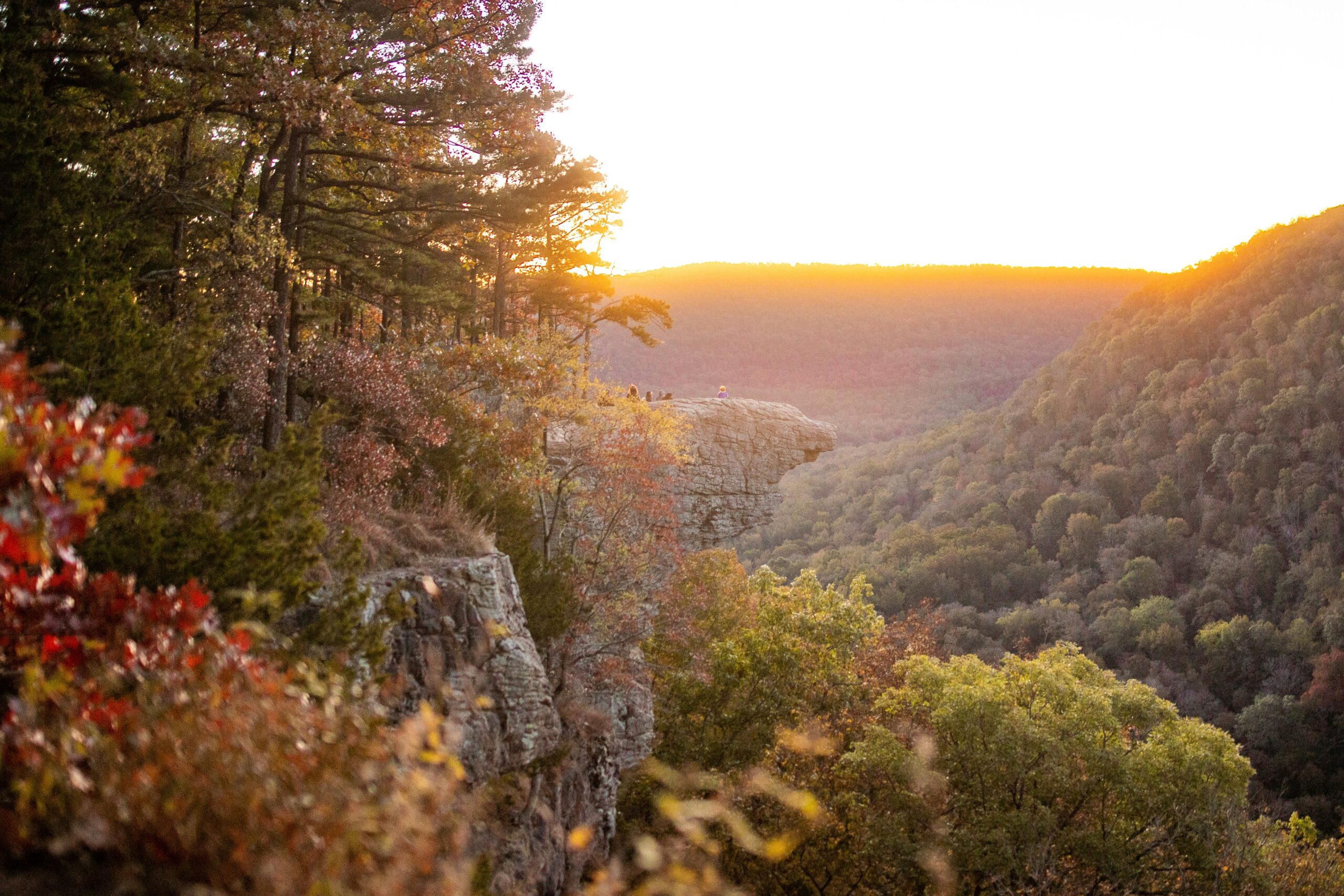
Few phrases sell a hunting property faster than “borders the national forest.” Here in the Arkansas River Valley, we sit between two of the biggest public forests in the South: the Ozark National Forest to the north and the Ouachita National Forest to the south. Together they cover millions of acres of hardwood ridges, pine flats and creek bottoms.
With modern gun deer season about to open, we get this question every week: is it worth paying more for land that touches the forest? The honest answer is that it depends on how you hunt and what you want the land to do for you. Here is what we tell our buyers at Mossy Oak Properties Field, Farm and Homes.
The pros of bordering the national forest
1. Your hunting ground is far bigger than your deed. A 40-acre tract next to the forest can hunt like several hundred acres. You can scout, still-hunt and follow deer onto public ground without asking a neighbor’s permission.
2. No neighbor will ever build next door. Forest land won’t be subdivided into home sites or a chicken farm. Your views, privacy and the woods around your stand stay the way they are.
3. Deer, turkey and other game have room to grow. Big, connected timber gives mature bucks space to age. Forest Service timber thinning and prescribed burns also create young growth that deer and turkey feed and nest in.
4. More to do than deer hunting. Many forest boundaries put you minutes from trails, creeks, ATV roads, camping and fishing. That makes the property useful in all four seasons, not just November.
5. Strong resale demand. Land that adjoins public ground is a rare feature buyers search for by name. When it is time to sell, it gives your listing a headline most properties can’t match.
The cons nobody puts in the listing
1. Other hunters are your neighbors too. Public land is open to every licensed hunter. On opening weekend you may hear trucks on the forest road and see orange on the ridge you planned to hunt. Pressure from public land can push deer around and change how they use your side of the line.
2. You pay for the privilege. Adjoining tracts often sell for more per acre than similar land a mile away. Make sure the extra money buys something you will use.
3. You can’t manage the other side. On the forest you can’t plant food plots, cut shooting lanes, hang permanent stands or bait. Hunting there follows AGFC and Forest Service rules, which can be stricter than on private land. Your habitat work stops at your boundary.
4. Trespass and boundary problems. Hunters wander, and it works both ways. You need to know exactly where the line is, keep it posted on your side, and expect the occasional visitor who doesn’t.
5. Access is not guaranteed. A property can touch the forest and still have no legal road in. Forest roads can be gated seasonally, and getting a new road permitted across federal land is slow and uncertain.
6. Smoke, logging and change you don’t control. Prescribed burns and timber sales are good for wildlife, but they can mean smoke, log trucks and a view that changes overnight.
What to check before you buy
If a forest-adjoining tract catches your eye, walk through this list with your agent before you make an offer.
- Get a survey, or check the existing one. Forest Service boundaries are usually marked with red paint and signs, but don’t rely on paint alone.
- Confirm legal access. Ask for a deeded road or recorded easement from a county road to your property. Don’t count on a forest road unless your title work shows a right to use it.
- Look at how much of the line you actually touch. A long shared boundary is worth more than a corner that barely meets the forest.
- Study the terrain on both sides. Ridges, benches, creek crossings and saddles that funnel deer from the forest onto your land are where the value is.
- Ask about hunting pressure. Find the nearest parking areas, gated roads and trailheads. A boundary far from easy public access hunts much better.
- Check the regulations for that area. Some forest land in Arkansas is also managed as a wildlife management area, with its own dates and permit rules.
- Ask about upcoming timber or burn plans. The local ranger district can tell you what work is scheduled next to the property.
Frequently asked questions
Can I hunt the national forest from my own property? Yes, as long as you have the right Arkansas licenses and follow the rules for that part of the forest. Walking across your line onto public ground is legal; driving or building on it is not.
Is land next to the national forest a good investment? It has historically held strong buyer demand because the supply is fixed. The price you pay going in still matters, so compare it to nearby tracts without frontage.
Can I put a food plot or stand on the forest side? No permanent stands, plots or clearing on federal land. Keep your improvements on your side and design them to pull deer across the line.
- AGFC deer seasons and limits by zone, on “Arkansas licenses” or “modern gun deer season”
- Ozark-St. Francis National Forest: Ozark-St. Francis National Forest
- Ouachita National Forest: Ouachita National Forest
Thinking about buying or selling near the forest?
We live and hunt in the Arkansas River Valley, and we know which boundaries hunt well and which ones get pressured. Whether you are looking for a tract that touches the Ozark or Ouachita National Forest, or you own one and want to know what it’s worth, call Mossy Oak Properties Field, Farm and Homes in Barling or browse our current listings.