
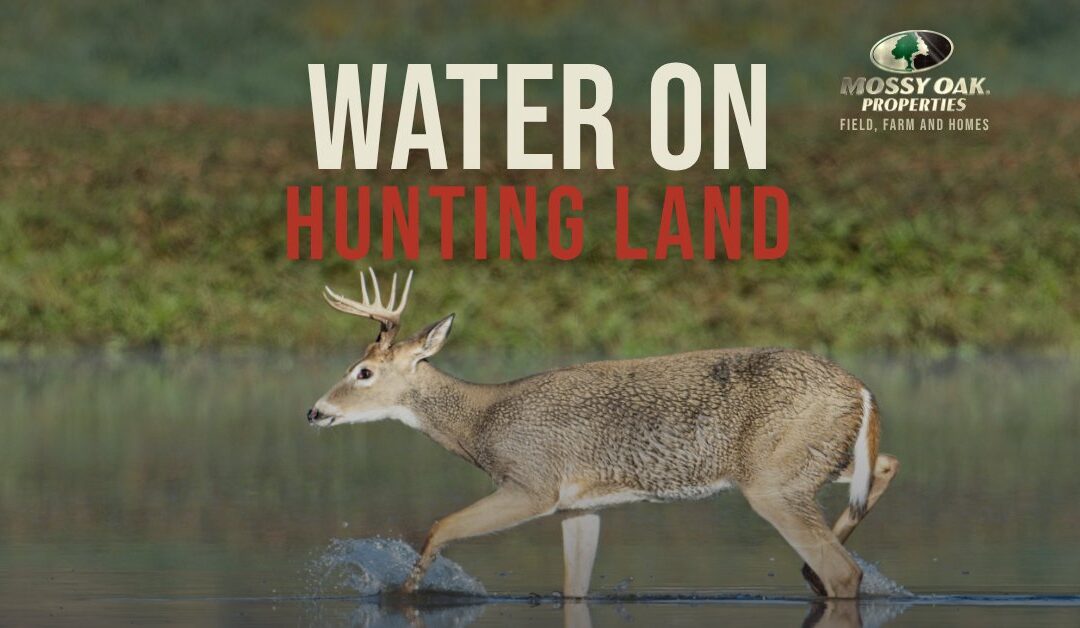
Why water matters on hunting land
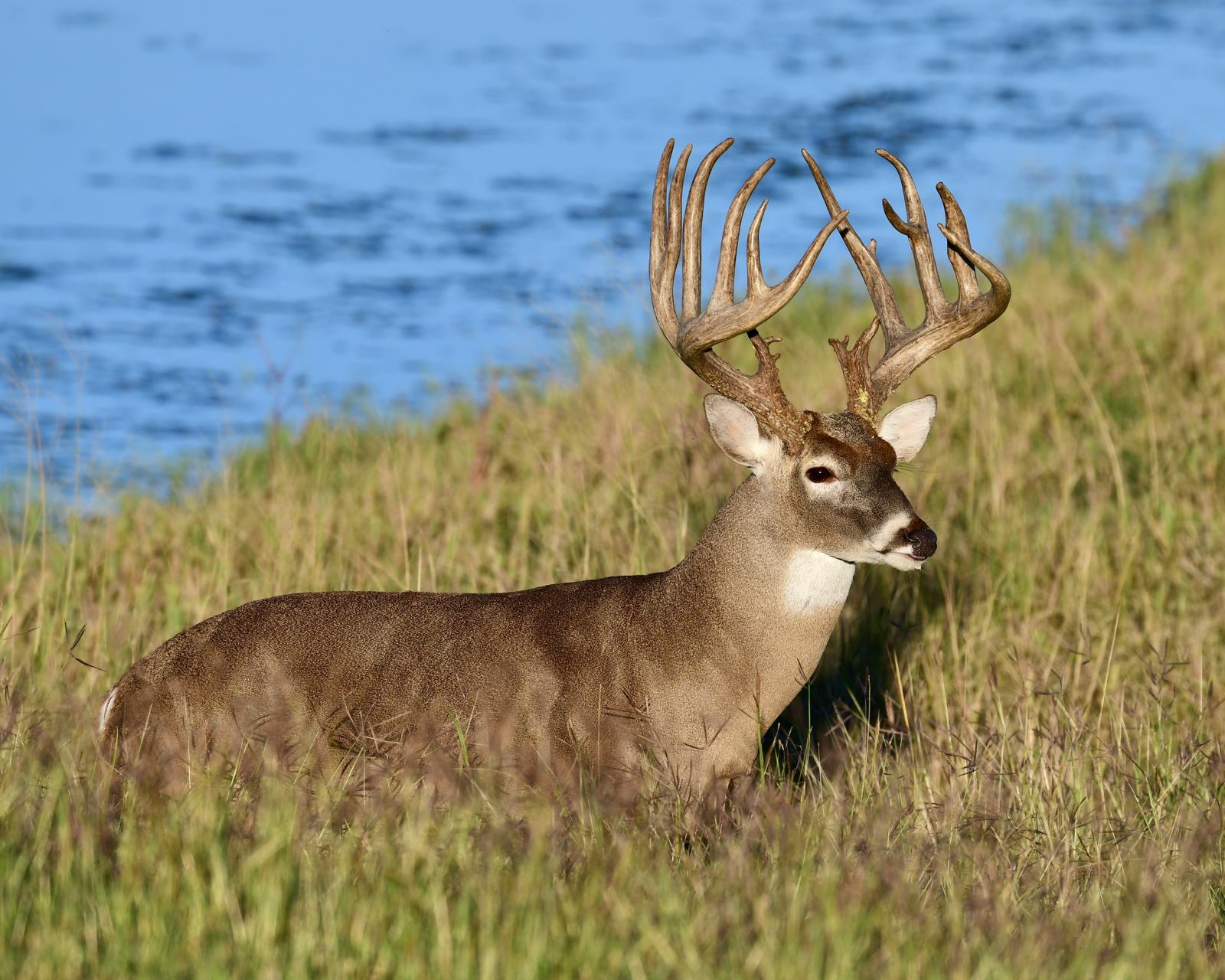
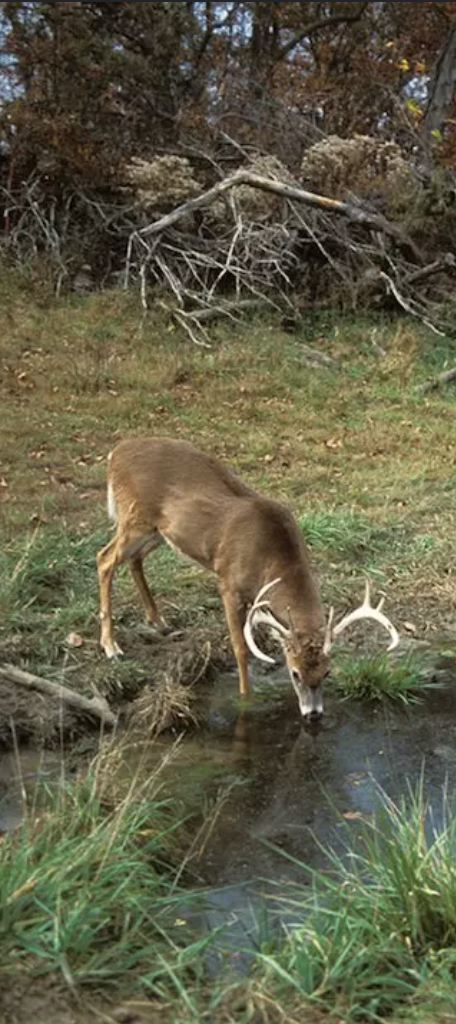
Food and cover get most of the attention, but water is often what decides whether deer live on your property or just visit it. A mature whitetail can drink several quarts a day, and more in hot, dry weather. Arkansas’s early bow season opens in late summer, and dry falls are common, so reliable water can pull deer onto your land when the neighbors’ creeks run dry.
Water does more than draw deer. Ponds attract turkey, wood ducks and other wildlife, add value for fishing and swimming, and give livestock a source on farm ground. For most of our rural buyers in the River Valley, “is there water?” is one of the first questions they ask.
Types of water and what each does for hunting
|
Year-round creek |
Travel corridor and crossings deer use daily; good bottomland cover |
Flooding, washed-out crossings, where the property line runs in the creek |
|
Seasonal creek or branch |
Draws deer in wet months; often lined with thick cover |
May be dry when you need it most, in early bow season |
|
Stock or farm pond |
Reliable drinking water; adds fishing and turkey and duck use |
Dam condition, leaks, open banks that leave deer exposed |
|
Spring or seep |
Cold, steady water deer use even in drought |
Small and easy to miss; confirm it runs in late summer |
|
Slough, beaver pond or wetland |
Duck hunting and thick bedding cover around the edges |
Mosquitoes, standing water that limits building and access |
|
Small hunting water hole (under a quarter acre) |
Pulls deer near a stand in thick cover |
Needs a good site and a liner or clay to hold water |
The pros of water on your hunting property
- Deer stay home. With water, food and cover on the same tract, deer have fewer reasons to leave, and you see more of them in daylight.
- Built-in stand locations. Creek crossings and pond edges become natural ambush spots, especially during early season heat.
- More than one kind of hunt. A slough or beaver pond can add duck hunting, and creek bottoms are prime turkey roosting country.
- Year-round use. Fishing, swimming, kayaking and watering cattle make the land enjoyable outside of hunting season.
- Higher resale value. Water is one of the features rural buyers filter for first. Land with a good pond or live creek often sells faster than dry land.
The cons and trade-offs
- Flooding. Creek bottoms can flood, wash out roads and limit where you can build. Check whether any part of the property is in a FEMA flood zone.
- Maintenance. Pond dams leak, grow up in trees and need upkeep. Beavers can flood timber you’d rather keep.
- Usable acreage. A large pond or wetland takes ground you can’t farm, plant or build on.
- Rules on wetlands and streams. Digging, damming or filling near a creek or wetland may need permits. Ownership of a creek bed can also depend on whether the stream is considered navigable.
- Liability. Ponds and swimming holes come with safety responsibilities, especially if you allow guests.
No water? You can add it
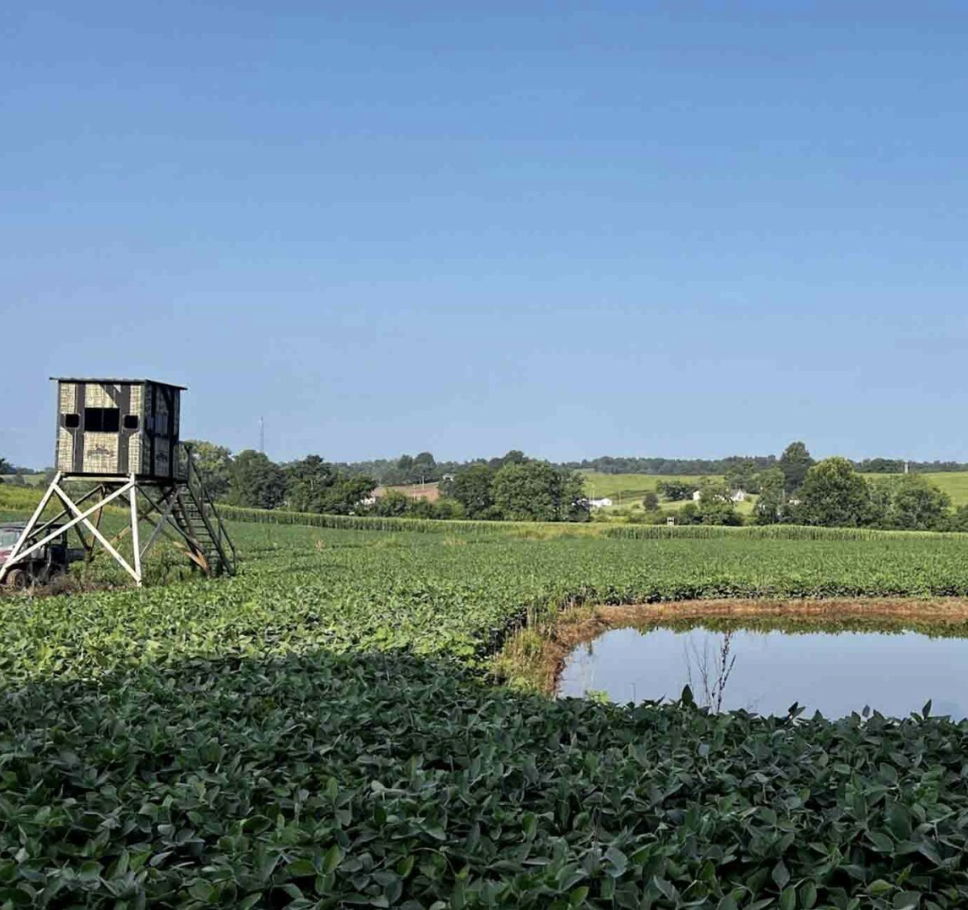
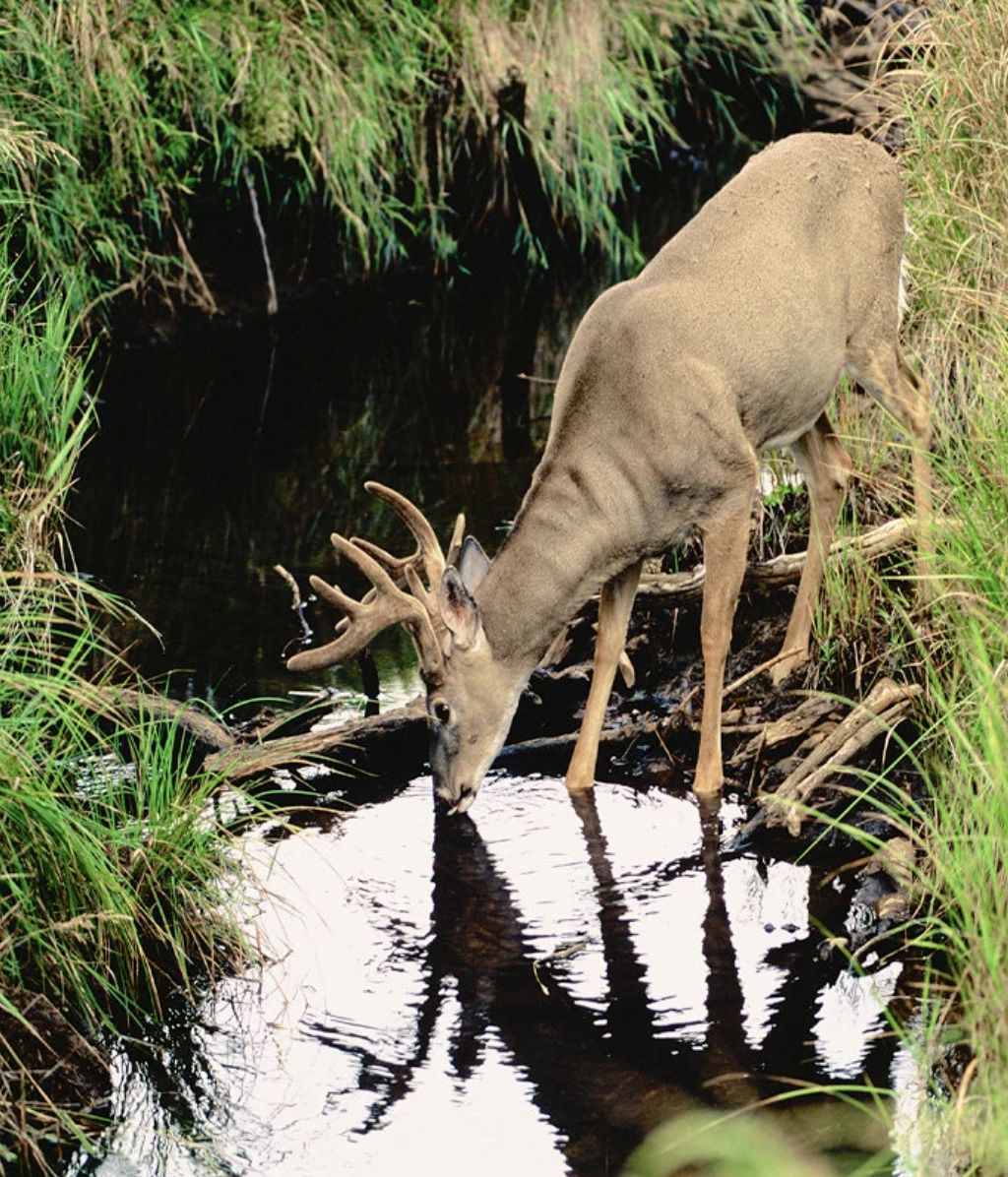
A property without a pond or creek isn’t a lost cause. Many hunters add small water holes to draw deer to a stand.
- Pick the spot. Put it in or near cover, between bedding and feeding areas, and downwind of where you’ll sit. Low spots that already stay damp hold water best.
- Keep it small. A water hole a few yards across is enough for deer. Hunters often use a buried stock tank, a kiddie pool or a dug hole with a pond liner.
- Plan for refills. Rain fills it most of the year. In a dry August or September, you may need to haul water.
- Think bigger if you want to. A full pond is a larger project with a dam, spillway and the right soil. Talk with your local NRCS office about soils and cost-share programs before you dig.
If you’re shopping for land, ask your agent which tracts have a good pond site. Clay soil and a natural draw can make adding water much cheaper.
What to check when buying land with water
- Does the creek run year-round, or only after rain? Ask the seller and the neighbors.
- Is the pond dam solid, with no leaks, big trees or burrows on it?
- Is any part of the land in a flood zone, and does the access road flood?
- Where does the property line run along the creek: the center, one bank or beyond?
- Are there beavers, and are they flooding timber you want to keep?
- If there’s a well, what’s the depth and flow? (Important if you plan to build.)
Frequently asked questions
How far apart should water be for deer? Deer move easily, but having water within about a quarter to half a mile of bedding cover keeps them closer to home in hot weather.
Do deer prefer ponds or creeks? Deer use both. Small, shaded water near cover is often used more in daylight than a big open pond.
Does a pond add value to land? In our market, a healthy pond or live creek is one of the most requested features, and it usually helps a property sell faster.
CHECK YOUR ZONE

Looking for hunting land with water?
We list and sell creek, pond and bottomland properties across the Arkansas River Valley. Browse our current listings or call Mossy Oak Properties Field, Farm and Homes in Barling to find land with water that works for how you hunt.
